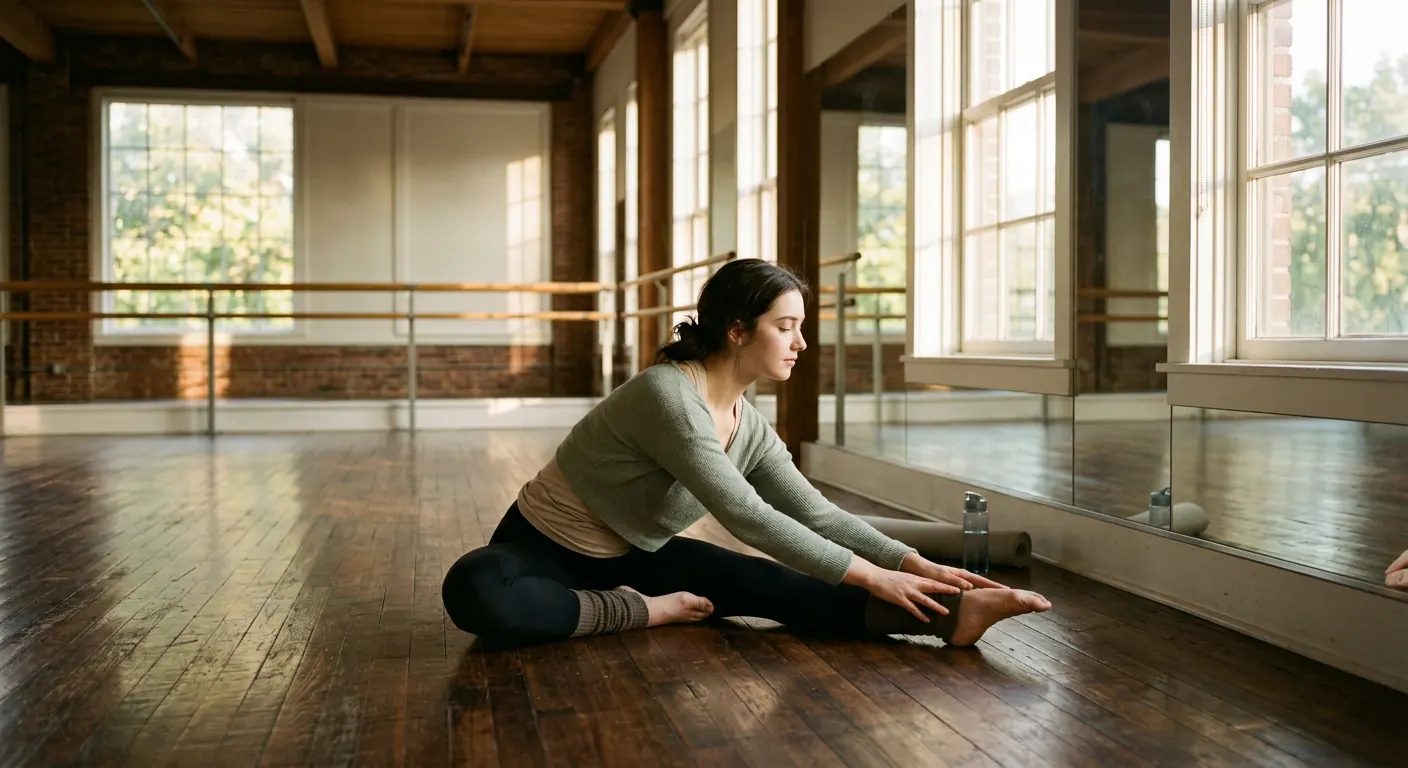
A performer warming up in a sunlit dance studio

Performer Wellness

A healthy artist is a lasting artist

Broadway runs eight shows a week — professionals survive on habits, not luck. These are the habits: voice care, nerves, sleep, fuel, injury prevention, and the head game. Read the last section even if you read nothing else.

Your voice is a living instrument

It grows with you, changes with your body, and can be hurt by things that are not singing at all.

  • Teen voices are literally changing. Cracks, breathiness, and range shifts are biology, not failure. Work with them, never against them.
  • Water is the number one voice medicine: consistent all-day hydration beats chugging water before you sing.
  • Never sing through pain. Hoarseness for more than two weeks — especially with no pain — deserves a conversation with a doctor or an ENT (throat specialist).
  • Screaming at games and whispering when tired stress your cords as much as belting does. Rest days are vocal training too.
  • Clearing your throat harshly is a habit worth breaking — sip water and swallow instead.

If singing ever hurts — sharp pain, not effort — stop and tell an adult. Pain is information, not a challenge.

Stage fright is normal — and trainable

Every performer you admire has felt it. The difference is what they did with it.

  • Reframe: a pounding heart and fast breath are your body delivering oxygen for a performance. That is adrenaline, not danger.
  • The 4-7-8 breath in the wings (inhale 4, hold 7, exhale 8) slows everything down in under a minute.
  • Over-preparation is the real cure. Nerves shrink when the material is automatic — the first line especially.
  • Focus outward: put your attention on the story and the audience, not on how you feel. Performers who give attention feel less anxiety than those who monitor themselves.
  • If anxiety ever stops you from sleeping, eating, or attending school, that is beyond stage fright — talk to a counselor or trusted adult. That is strength, not weakness.

Sleep: the cheapest performance enhancer

No voice lesson or dance class beats eight hours. Memory, mood, injury risk — all of it runs on sleep.

  • Memorization consolidates while you sleep — line-learning before bed actually works.
  • Tech week destroys sleep schedules; plan lighter homework and earlier call times for the cast.
  • Screens off 30 minutes before bed during show weeks. Your voice and your scene partners will thank you.
  • Teen bodies need 8-10 hours. Running on 6 during tech week is how voices crack and ankles roll.

Fueling for long rehearsal days

A 6-hour tech Saturday is an athletic event. Eat like it.

  • Real meals, not just snacks: protein + complex carbs sustain you through long afternoons.
  • Eat 1-2 hours before singing — never on a completely empty or completely full stomach.
  • During show weeks, keep easy fuel in your bag: nuts, fruit, a sandwich. Vending machines are not dinner.
  • Dairy thickens some people's mucus before singing; know your body and plan accordingly.
  • Caffeine after 3pm sabotages the sleep that tech week requires. Trade it for water.

Your body is your set — protect it

Dancers get injured in ordinary rooms, not just on stage. Most injuries are preventable.

  • Warm up before dance calls and stretch after — cold muscles tear, warm muscles perform.
  • Never dance on wet floors, and never in socks on a stage. Proper shoes for every call.
  • Speak up about anything unsafe: loose set pieces, sharp edges, blocked crossovers. Crews want to know.
  • Ankle rolls and knee tweaks need rest, not pushing through. Small injuries become season-ending ones fast.
  • Tell your choreographer BEFORE class if something hurts — they would always rather modify than replace you.

The head game: worth and roles

A cast list does not measure your value. Learning to separate the two is a lifetime skill.

  • You are not your role. Casting is matching — height, voice part, schedule, even seniority. None of it is a verdict on you.
  • Limit cast-list talk. Comparing is human; marinating in it all night is corrosive. Log your lesson and close the notebook.
  • Celebrate other people's wins out loud. Ensembles that celebrate together survive losing together.
  • Set goals the cast list cannot touch: a clean triple pirouette, a stronger mix, memorizing faster. Those follow you to every show.
  • Theater is a marathon of "no"s with occasional spectacular "yes"es. The performers who last are the ones who learned this in high school.

For parents & guardians

You are part of the company. Five things that genuinely help a young performer.

1

Ask "what did you WORK on today?" instead of "what part did you get?" — it changes the whole conversation.

2

Show week means tired kids. Protect their sleep, feed them well, and lower homework battles for one week.

3

Learn the vocabulary — this site's glossary takes 10 minutes and makes you sound like a season-ticket holder.

4

If your child did not get cast, let them grieve for a day, then ask about the lesson, not the politics.

5

Volunteer for concessions or sets, not for casting opinions. Directors remember helpful parents — and students notice too.

This site shares general wellness guidance for young performers, written for educational purposes. It is not medical advice — for injury, persistent hoarseness, anxiety, or any health concern, please talk with a doctor, nurse, or school counselor.